
The Concept of Luck in Gambling
Luck is a term frequently invoked in discussions about gambling, especially within casino environments. Many players attribute their victories or defeats to luck, suggesting that fortune plays a pivotal role in determining outcomes. This belief is deeply embedded in the psychology of gambling, where the element of chance makes each game unpredictable. While winning streaks might appear to be mere luck, they often result from a complex interplay of probability, strategy, and a touch of randomness that can lead players to seek fast withdrawal casino uk real money options which enhance their gaming experience and satisfaction.
In games of chance such as slots or roulette, luck undeniably plays a crucial role. The outcomes of these games are primarily determined by random number generators and statistical probabilities, meaning players can experience what feels like a lucky streak. However, this phenomenon can mislead players into thinking that luck is consistently favorable, overshadowing the importance of understanding the rules and odds associated with each game. Professional gamblers often take these odds into consideration when placing their bets, which can significantly influence their overall success and longevity in the casino.
Interestingly, while luck is a factor, the psychological aspect of believing in luck can also impact a player’s performance. Those who perceive themselves as lucky may take more risks or play with greater confidence, leading to either substantial rewards or considerable losses. Therefore, the notion of luck in gambling transcends mere chance; it also encompasses how a player’s mindset influences their approach to games and the decisions they make in the casino. This intricate relationship between luck and psychology plays a critical role in determining overall success.
Probability and Strategy in Casino Games
While luck is an essential element in gambling, a solid understanding of probability often provides players with a more significant advantage than relying solely on chance. Each casino game has its own unique set of odds, and familiarizing oneself with these can dramatically affect a player’s success. For example, in blackjack, players can utilize strategies such as card counting and knowing when to hit or stand, empowering them to make informed decisions rather than depend exclusively on luck. This strategic knowledge enhances their chances of winning and increases their overall enjoyment of the game.
Moreover, strategic gaming is inherently tied to probabilities. In poker, for instance, players analyze the odds of drawing particular hands and use this information to guide their betting behavior. Skilled players often find ways to manipulate circumstances to their advantage—not by negating luck, but by understanding and leveraging the odds to their benefit. This fusion of skill and luck creates a more balanced approach to gambling, wherein calculated and strategic decisions often yield more favorable outcomes compared to relying solely on chance. Over time, this can lead to a more satisfying gaming experience.
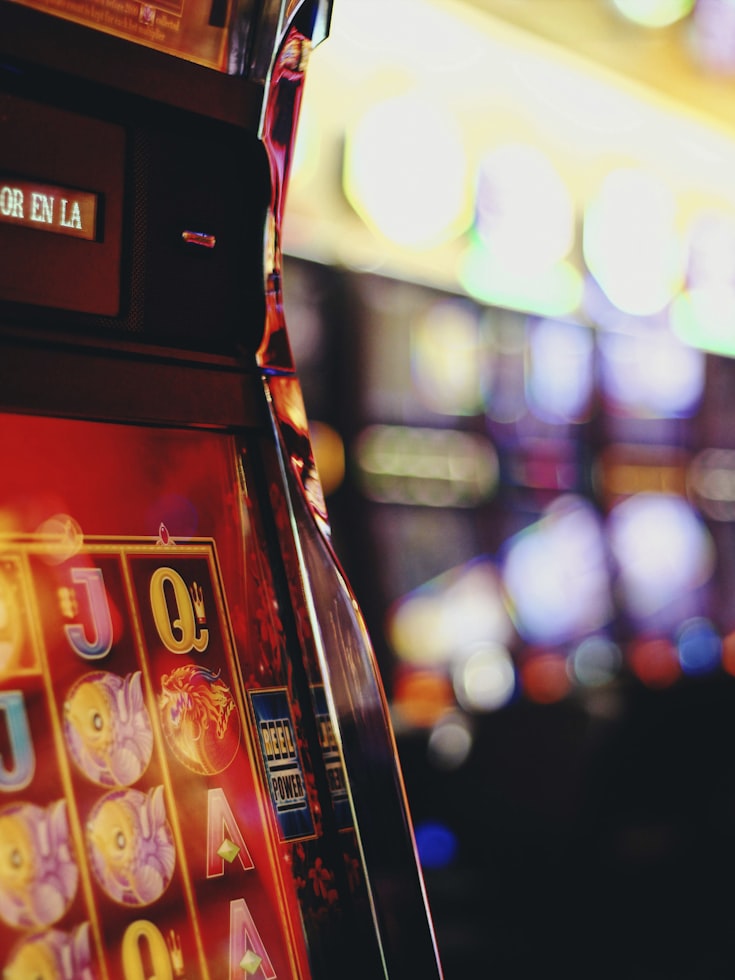
Ultimately, successful players develop an intuitive understanding of the probabilities associated with various games. They learn how to manage their bets, recognize when to walk away, and capitalize on advantageous situations. This intentional engagement with the game often proves to be more effective than merely relying on luck. Thus, while luck may initially bring a player to the table, a thorough grasp of probability and strategic thinking can lead to sustained success over time, reinforcing the notion that skill can indeed influence outcomes significantly.
The Role of Emotional and Psychological Factors
Luck in gambling is frequently intertwined with emotional and psychological elements that can significantly shape a player’s performance. For many, the thrill of risk and chance enhances their enjoyment of casino games, creating an emotional rollercoaster that can influence decision-making. When players find themselves on a winning streak, their confidence tends to soar, prompting them to take risks they might otherwise avoid. This emotional state can engender a sense of ‘being lucky,’ even when the odds may not be favorably aligned, leading to potentially reckless behavior.
Conversely, during losing streaks, players may feel frustrated or disheartened, which can cloud their judgment. In these moments, some may chase their losses by gambling more aggressively, believing that luck will ultimately turn in their favor. This behavior often leads to further losses rather than the desired recovery, creating a cycle of disappointment. Acknowledging the emotional aspect of gambling is crucial for players who want to maintain a level-headed approach and make rational decisions, regardless of their current luck or the outcomes of their previous games.
Furthermore, the concept of « lucky charms » or rituals is widespread among players, emphasizing the psychological impact of luck. Some individuals cling to specific practices or items they believe will bring them good fortune. While these beliefs may not hold any real basis in reality, they can enhance the player’s experience by providing a sense of control in an otherwise unpredictable environment. Understanding these emotional and psychological dynamics allows players to navigate their gambling experiences more effectively, blending luck with strategic play and ultimately leading to a more enjoyable and potentially successful time in the casino.
The House Edge and Its Relationship with Luck
Within the casino landscape, the house edge represents the advantage that the casino holds over the players in any given game. This mathematical edge signifies that, over time, the casino is always poised to win, regardless of the fleeting luck players may experience. Grasping the concept of the house edge is vital for players who wish to cultivate realistic expectations about their chances of winning. For instance, games like slots often feature a high house edge, implying that while a player may win intermittently, their overall probability of losing over time is considerable, creating a false sense of security in luck.
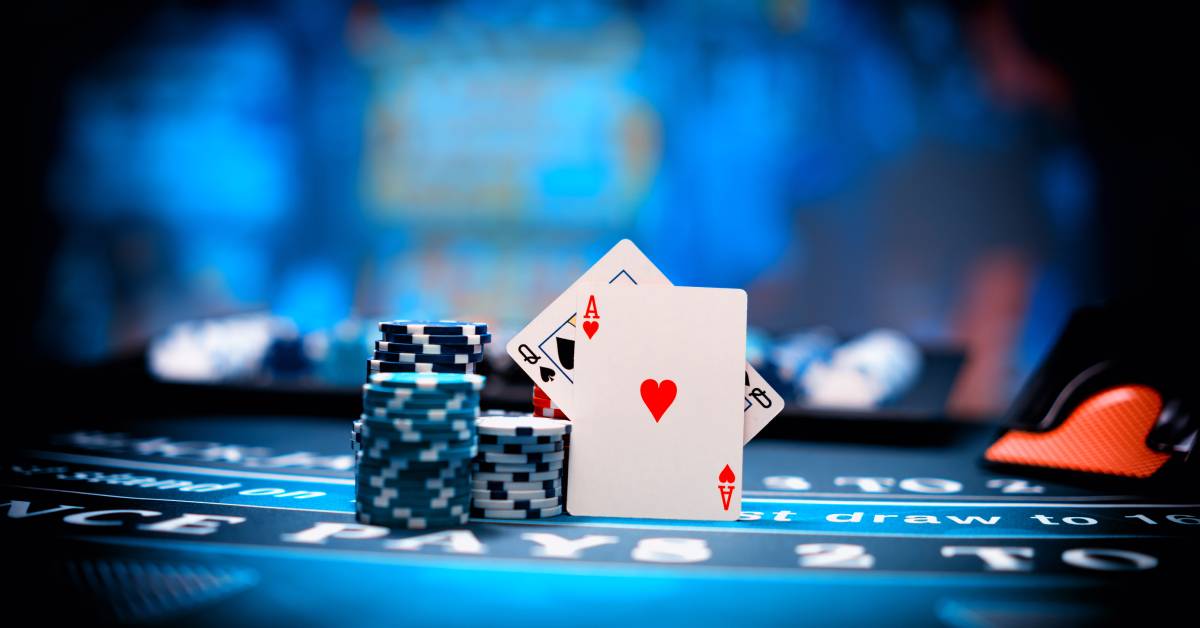
This house advantage inherently indicates that luck plays a more limited role than many players might assume. Although they may experience sporadic bursts of luck, the long-term outcomes will generally reflect the house edge. Recognizing this principle aids players in developing more effective strategies and managing their bankrolls judiciously. Rather than depending on luck to secure significant wins, successful gamblers understand that the structure of the games predominantly favors the casino in the long run. This awareness is essential for fostering a responsible gambling mindset.
Ultimately, while occasional luck can lead to substantial wins, it’s essential for players to remain cognizant of the house edge and its impact on their gameplay. Acknowledging these mathematical realities can help players temper their expectations and approach gambling with a more informed mindset. This balance between understanding luck and respecting the mechanics of the games creates a more sustainable way to engage with casinos, allowing players to enjoy the thrill of gambling while maintaining a strategic approach to their play.
Finding Balance: The Importance of Understanding Luck and Skill
The interplay between luck and skill in casino gaming underscores the necessity of achieving a balance for long-term success. Players must recognize that while luck can facilitate occasional victories, relying solely on it may lead to disappointment and financial losses. By integrating their comprehension of game mechanics with a solid command of strategy and probabilities, players can formulate a more balanced approach to gambling that mitigates the risks associated with purely relying on luck. This balanced mindset is crucial for anyone looking to engage with casino games seriously.
Moreover, players should be aware of the psychological factors that can shape their perception of luck. By understanding how emotions can influence decisions, individuals can cultivate a more disciplined approach to gambling, allowing them to enjoy the game without being disproportionately swayed by temporary outcomes. This level of self-awareness often proves to be the key to minimizing losses and maximizing the enjoyment of the experience. Recognizing when to walk away is as important as knowing when to play.
Whether one considers themselves lucky or not, the foundation of successful gambling lies in knowledge and strategy. Staying informed about the rules, odds, and strategies of each game empowers players, enabling them to feel more in control and less at the mercy of chance. The combination of understanding luck, honing skills, and maintaining a balanced mindset is the clearest path toward achieving success in the unpredictable world of casinos. A well-rounded approach enhances the overall experience and increases the likelihood of favorable outcomes.